.svg)

How to Manage Payroll Right After Merger & Acquisitions
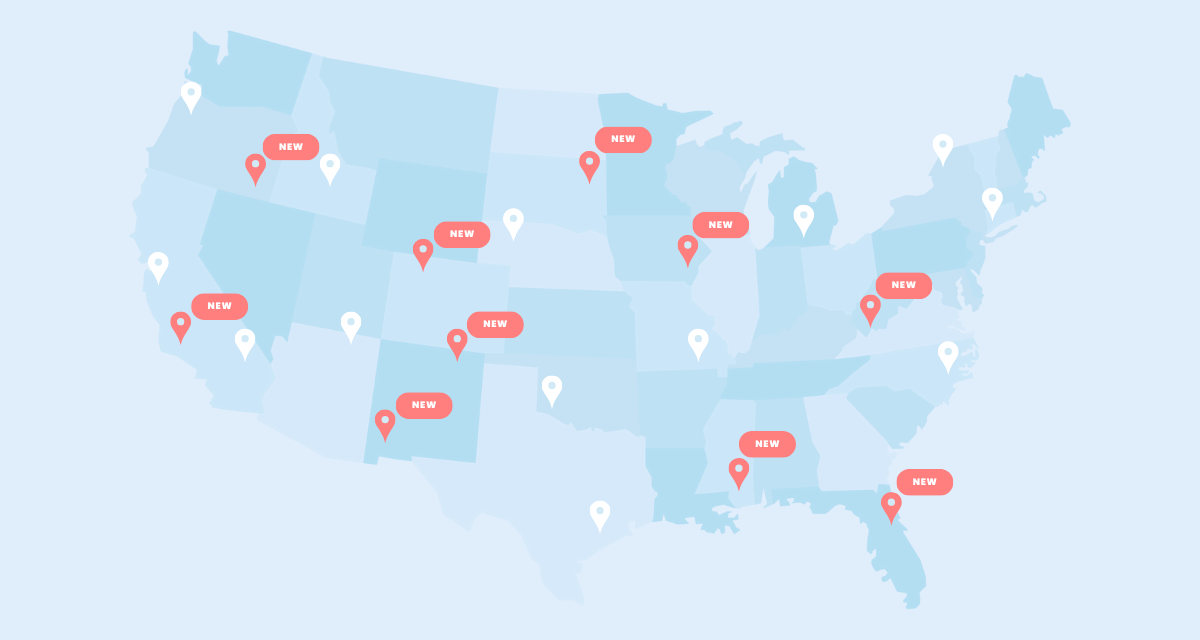


It is late on a Friday afternoon, and a message comes through that the company has acquired new entities. Sometimes it’s one or two. Sometimes it’s ten or more. Either way, the impact on payroll is immediate. Those employees need to be paid. The timelines do not change. The responsibility now sits with you.
What makes it harder is that the new locations rarely look like the old ones. They use different payroll systems. They follow different pay rules. The data arrives in unfamiliar formats. And yet, payroll is still expected to be accurate, compliant, and on time.
For many payroll leaders, this is where the job shifts from complex to vulnerable. Even experienced teams can feel overwhelmed when payroll scope expands faster than processes and visibility can keep up.
This blog covers post-acquisition payroll challenges and how leaders can scale payroll accurately and confidently.
Why payroll becomes fragile after acquisition or rapid expansion
Payroll stays accurate when variables are limited. The same pay codes, the same earning rules, the same employee structures, and the same approval paths repeat each cycle. Teams learn where issues tend to appear and build checks around them.
Acquisitions break that rhythm.
Suddenly, payroll includes new entities with their own history, habits, and exceptions. Processes that were reliable at a smaller size start to bend. Not because the team is doing anything wrong, but because the system was not designed for this level of variation.
Payroll challenges after growth often show up before leaders expect them to. One missed detail can ripple across an entire pay run. The margin for error shrinks just as the workload grows.
This is not a failure of skill. It is a natural response to complexity arriving all at once.
The most common payroll challenges teams face when adding locations
Managing payroll for new locations brings a familiar set of issues. They tend to appear in every industry and at every scale.
Some of the most common challenges include:
- Multiple payroll systems or vendors that do not align
- Different data formats and naming conventions
- Variations in pay rules, overtime calculations, and benefits
- Local regulations that are unfamiliar or undocumented
- Fragmented approval processes across teams and locations
- A sudden increase in payroll volume within the same pay cycle
- Limited visibility into what changed from one payroll cycle to the next
On top of the operational strain, there is the human side. Payroll leaders carry a quiet weight. Errors impact real people. Missed pay or incorrect deductions can damage trust quickly. As payroll complexity increases, so does the fear of something slipping through.
This emotional load is rarely discussed, but it is very real.
Why manual processes and fragmented systems stop scaling
Unlike smaller payroll environments, multi-location payroll management introduces more variation than manual workflows can absorb. Each new location adds pay rules, exceptions, and edge cases. Spreadsheets stretch to track it all. Reviews get compressed. What used to be a structured process turns into a race against time, relying on personal knowledge and last-minute fixes instead of repeatable controls.
The result is not always visible right away. Errors often appear as near misses. Extra hours spent double-checking. Late nights before submission. A constant feeling of being one step behind.
Payroll accuracy at scale requires consistency and repeatability. Fragmented systems make that difficult, even for strong teams.
Practical steps payroll leaders can take immediately
While long-term solutions matter, there are steps payroll leaders can take right away to reduce risk during periods of growth.
Standardize payroll data intake
Create a consistent workflow for the payroll process. Even small alignment reduces confusion and rework.
Map differences across new entities
Document how pay rules, bonuses, overtime, schedules, and deductions differ. This visibility will help you make data-driven decisions and money-saving improvements across your locations.
Create consistent review checkpoints
Define clear review points in the payroll cycle to prevent last-minute scrambles. For example, once the T&A data from all systems has been compiled.
Prioritize risk-based payroll reviews
Focus attention on areas most likely to cause issues, such as large changes, new hires, terminations, or unusual hours.
Build visibility before adding headcount
Hiring more people to handle the payroll volume growth treats the symptom. Real control comes from one consolidated input flow, clear visibility into what changed each cycle, and a repeatable review process.
Protect deadlines during transition periods
Resist the urge to change everything at once. Stability matters when payroll scope expands quickly.
These steps will not remove all stress, but they create a foundation for control.
How centralization, visibility, and automation reduce risk
As organizations grow, payroll standardization becomes essential. Centralization creates a single view of payroll activity across locations. Visibility helps teams understand what changed and why. Automation supports consistency without removing human judgment.
The goal is not to replace payroll professionals. It is to give them leverage. Automation and AI take on the repeatable checks that expand with every new location, allowing the same team to oversee more payrolls without adding headcount.
When changes are surfaced automatically, and exceptions are prioritized, reviews shift from line-by-line inspection to informed decision-making. Risk is identified earlier. Errors are caught before they reach employees.
This is how payroll scales through expansion without scaling stress. Not by working harder, but by building a system that can absorb growth. This is how payroll moves from reactive to resilient.
A grounded look at how Celery supports payroll teams at scale
Celery was built for teams navigating payroll complexity.
Rather than replacing existing payroll systems, Celery acts as a centralized layer across them. It reviews payroll data automatically and consistently, regardless of where that data originates.
What makes this scalable is flexibility. Celery allows teams to define payroll rules and review policies that reflect how their business actually operates. Checks can be customized by location, entity, or workforce type, creating a clear and repeatable payroll review checklist tailored to each part of the organization.
For payroll leaders managing payroll after acquisition, this means:
- Automated payroll checks that scale with the business
- Location-specific rules and review checklists aligned to real pay practices
- Clear visibility into changes and anomalies across locations
- Faster reviews without relying solely on manual effort
- Support for accuracy even as complexity increases
Celery functions like an AI assistant for payroll. It’s especially valuable for growing businesses, as it isn’t limited by the volume of data it can process or the sources the data comes from. Celery helps teams maintain confidence and control at moments when growth would otherwise stretch them thin. It doesn’t replace human judgment, it strengthens it.
Payroll can scale without breaking
If payroll feels harder after growth, that does not mean you are falling behind. It means the system needs to evolve.
Payroll teams are often the quiet stabilizers during periods of change. Accuracy builds trust. Consistency protects the business. Your work matters more than ever when the organization grows.
With the right structure, visibility, and support, payroll can scale calmly and confidently alongside the business. You do not have to choose between speed and accuracy. And you do not have to carry the weight alone.
If your organization is expanding through acquisition and payroll complexity is increasing, get in touch to learn how AI-driven automation can help you scale payroll reviews with confidence, without adding headcount.